

Infections caused by multi-resistant Gram-negative bacilli (MDR-GNB) are currently one of the main public health problems worldwide. Various mechanisms such as altered permeability, efflux pumps, or the appearance of inactivating enzymes (β-lactamases or carbapenemases, among others) cause these bacteria to develop resistance to many of the traditional therapeutic options. Since 2015, new broad-spectrum antibiotics have been incorporated, transforming the treatment of infections caused by MDR-GNB. This article, with an eminently practical focus, aims to review and update the diagnosis and treatment of infections caused by MDR-GNB in critically ill patients, attempting to position the use of new antibiotics both in targeted and empirical, without forgetting the crucial role of infection control in combating this health threat.
Las infecciones producidas por bacilos gramnegativos multirresistentes (BGN-MR) constituyen en la actualidad uno de los principales problemas de salud pública a nivel mundial. Diversos mecanismos tales como alteraciones de la permeabilidad, bombas de expulsión o la aparición de enzimas inactivadoras (β-lactamasas o carbapenemasas entre otras) hacen que estas bacterias desarrollen resistencias a muchas de las opciones terapéuticas habituales. Desde 2015 se han incorporado nuevos antibióticos de amplio espectro que han transformado el tratamiento de infecciones causadas por BGN-MR. El presente artículo, con un enfoque eminentemente práctico, pretende revisar y actualizar el diagnóstico y tratamiento de las infecciones causadas por BGN-MR en el enfermo crítico, intentando posicionar el uso de los nuevos antibióticos tanto en el tratamiento dirigido como su papel en el tratamiento empírico sin olvidar el papel preponderante que tiene el control de infecciones para combatir esta amenaza para la salud.
One of the main problems of public health systems worldwide is infections caused by gram-negative bacilli (GNB), especially when these are multidrug-resistant (MDR-GNB). In Europe, an epidemiological study conducted in 2015 estimated an incidence RATE of 131 infections caused by multidrug-resistant bacteria (MDRB) per 100,000 inhabitants, resulting in an attributable mortality of 6.44 deaths per 100,000 inhabitants (attributable mortality exceeding 33,000 individuals) and causing the loss of 170 disability-adjusted life years per 100,000 inhabitants.1
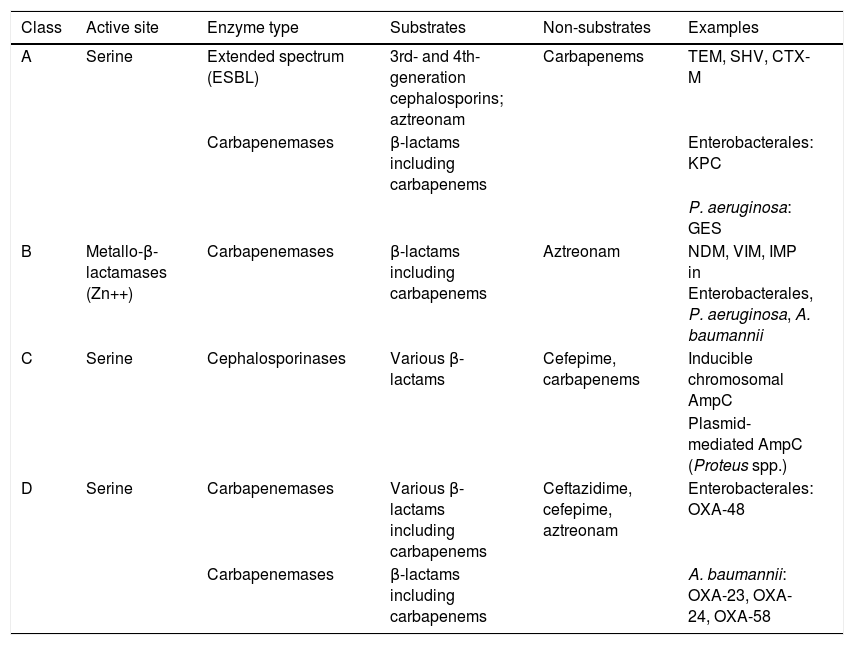
Aerobic GNB (Enterobacterales and non-fermenting bacilli) can develop any resistance mechanism, although enzymatic mechanisms are more relevant in Enterobacterales, whereas in Pseudomonas aeruginosa (P. aeruginosa), mechanisms related to cell wall permeability predominate. Resistance may be intrinsic and/or acquired (e.g., through horizontal transfer of mobile genetic elements), and the intensive care environment is ideal for their emergence due to ecological pressure, device use, and high antimicrobial consumption. Due to their frequency and/or the difficulty in achieving effective treatment, β-lactamases (Table 1) must be understood. In Spain, according to the CARBA-MAP study, which analyzed the main carbapenemases detected in Enterobacterales and P. aeruginosa from 2014 to 2018, the most prevalent carbapenemases are of the OXA, KPC, and VIM types.2
Ambler classification for categorizing β-lactamases conferring resistance to β-lactams.
| Class | Active site | Enzyme type | Substrates | Non-substrates | Examples |
|---|---|---|---|---|---|
| A | Serine | Extended spectrum (ESBL) | 3rd- and 4th-generation cephalosporins; aztreonam | Carbapenems | TEM, SHV, CTX-M |
| Carbapenemases | β-lactams including carbapenems | Enterobacterales: KPC | |||
| P. aeruginosa: GES | |||||
| B | Metallo-β-lactamases (Zn++) | Carbapenemases | β-lactams including carbapenems | Aztreonam | NDM, VIM, IMP in Enterobacterales, P. aeruginosa, A. baumannii |
| C | Serine | Cephalosporinases | Various β-lactams | Cefepime, carbapenems | Inducible chromosomal AmpC |
| Plasmid-mediated AmpC (Proteus spp.) | |||||
| D | Serine | Carbapenemases | Various β-lactams including carbapenems | Ceftazidime, cefepime, aztreonam | Enterobacterales: OXA-48 |
| Carbapenemases | β-lactams including carbapenems | A. baumannii: OXA-23, OXA-24, OXA-58 |
ESBL: extended-spectrum β-lactamase; KPC: Klebsiella pneumoniae carbapenemase; GES: Guiana extended-spectrum β-lactamase; TEM, SHV, and CTX-M: characteristic β-lactamase families; NDM: New Delhi metallo-β-lactamase; VIM: Verona integron-encoded metallo-β-lactamase; IMP: imipenemase (active against imipenem); AmpC: chromosomal or plasmid-mediated class C β-lactamase; A. baumannii: Acinetobacter baumannii; P. aeruginosa: Pseudomonas aeruginosa; OXA: oxacillinase; Zn++: zinc (a cofactor of metallo-β-lactamases).
The MDR-GNB of greatest global relevance are Escherichia coli (E. coli), Klebsiella pneumoniae (K. pneumoniae), P. aeruginosa, and Acinetobacter baumannii (A. baumannii). A European analysis of surveillance data from 2023 highlights the importance of these 4 species, although there is wide geographic variability, with an increasing gradient from north to south and from west to east.3 In Spain, for more than 30 years, the ENVIN-HELICS registry has provided annual data on prevalence and resistance patterns of the most frequent infections in our units. Healthcare-associated infections caused by GNB are the most frequent, with P. aeruginosa as the predominant microorganism.4 In 2024, the World Health Organization updated its list of priority bacteria, whose critical group includes carbapenem-resistant Enterobacterales, third-generation cephalosporin-resistant Enterobacterales, and carbapenem-resistant A. baumannii.5
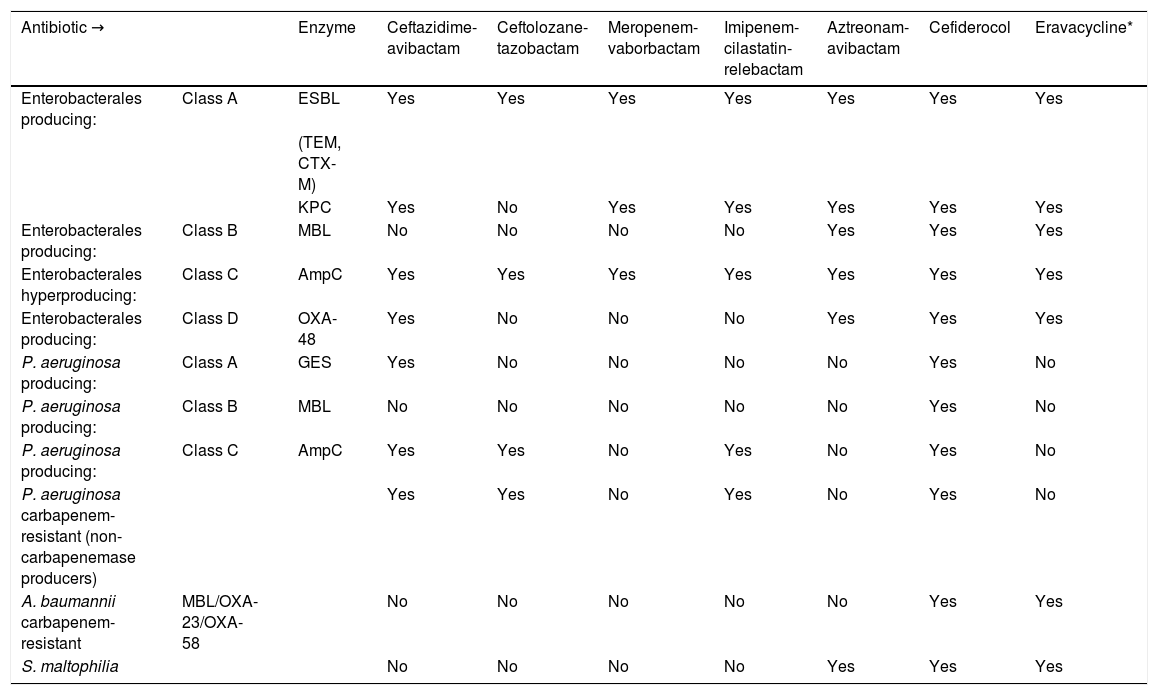
Since the approval of ceftolozane-tazobactam by the European Medicines Agency in 2015, new antibiotics have been introduced that have transformed the treatment of infections caused by MDR-GNB. Subsequently, ceftazidime-avibactam (2016), meropenem-vaborbactam (2018), imipenem-cilastatin-relebactam (2022), cefiderocol (2020), cefepime-enmetazobactam (2024), and aztreonam-avibactam (2024), all β-lactams, have been approved. In addition, eravacycline (2018) and sulbactam-durlobactam (not yet approved in Europe) are valid alternatives against certain MDR-GNB. The spectrum of activity of these new antibiotics is summarized in Table 2.
Spectrum of activity of new antibiotics for MDR-GNB infections.
| Antibiotic → | Enzyme | Ceftazidime-avibactam | Ceftolozane-tazobactam | Meropenem-vaborbactam | Imipenem-cilastatin-relebactam | Aztreonam-avibactam | Cefiderocol | Eravacycline* | |
|---|---|---|---|---|---|---|---|---|---|
| Enterobacterales producing: | Class A | ESBL | Yes | Yes | Yes | Yes | Yes | Yes | Yes |
| (TEM, CTX-M) | |||||||||
| KPC | Yes | No | Yes | Yes | Yes | Yes | Yes | ||
| Enterobacterales producing: | Class B | MBL | No | No | No | No | Yes | Yes | Yes |
| Enterobacterales hyperproducing: | Class C | AmpC | Yes | Yes | Yes | Yes | Yes | Yes | Yes |
| Enterobacterales producing: | Class D | OXA-48 | Yes | No | No | No | Yes | Yes | Yes |
| P. aeruginosa producing: | Class A | GES | Yes | No | No | No | No | Yes | No |
| P. aeruginosa producing: | Class B | MBL | No | No | No | No | No | Yes | No |
| P. aeruginosa producing: | Class C | AmpC | Yes | Yes | No | Yes | No | Yes | No |
| P. aeruginosa carbapenem-resistant (non-carbapenemase producers) | Yes | Yes | No | Yes | No | Yes | No | ||
| A. baumannii carbapenem-resistant | MBL/OXA-23/OXA-58 | No | No | No | No | No | Yes | Yes | |
| S. maltophilia | No | No | No | No | Yes | Yes | Yes |
ESBL: extended-spectrum β-lactamase; KPC: Klebsiella pneumoniae carbapenemase; GES: Guiana extended-spectrum β-lactamase; TEM, SHV, and CTX-M: characteristic β-lactamase families; NDM: New Delhi metallo-β-lactamase; VIM: Verona integron-encoded metallo-β-lactamase; IMP: imipenemase (active against imipenem); AmpC: chromosomal or plasmid-mediated class C β-lactamase; A. baumannii: Acinetobacter baumannii; P. aeruginosa: Pseudomonas aeruginosa; OXA: oxacillinase; Zn++: zinc (cofactor of metallo-β-lactamases).
The present document summarizes a scientific meeting held at Hospital Universitario Virgen del Rocío (Seville, Spain) on December 4th, 2024, in which a group of intensivists with expertise in infectious diseases met to review and update the diagnosis, treatment, and prevention of infections caused by MDR-GNB in critically ill patients. Particular emphasis is placed on treatment strategies against these pathogens, aiming to define the role of new therapeutic options in both targeted and empirical therapy.
Molecular methods for the diagnosis of infections caused by MDR-GNBAppropriate empirical antibiotic therapy is associated with reduced mortality, which has also been demonstrated in cases caused by MDR-GNB.6,7 Therefore, rapid microbiological diagnostic techniques based on real-time multiplex polymerase chain reaction (PCR), capable of identifying within slightly more than 1 h the microorganisms most widely involved in a given infection (syndromic panels), may allow optimization of empirical therapy toward a “quasi-targeted” approach until definitive microbiological results confirm pathogen identification and susceptibility.8
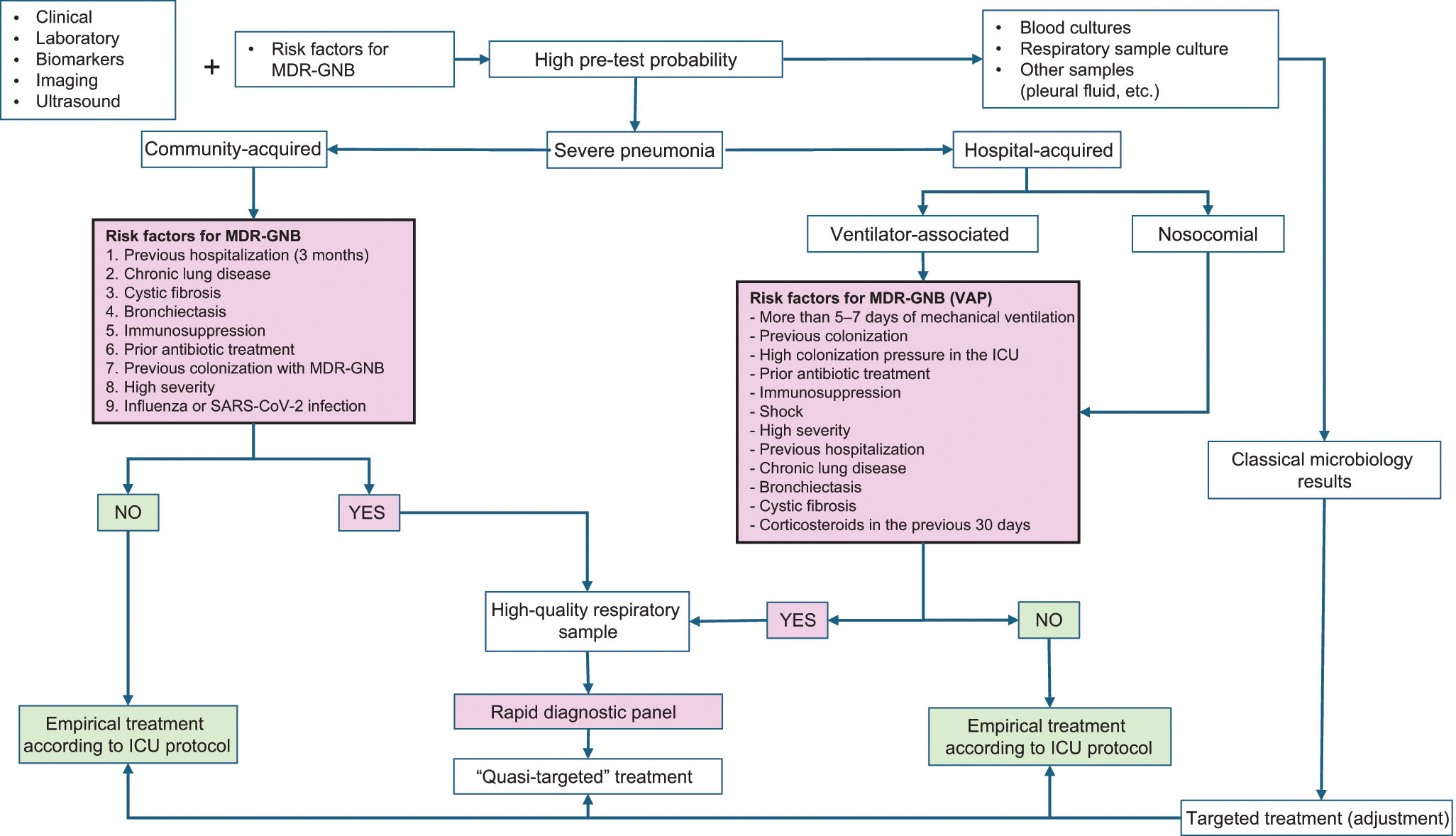
Overuse of antibiotics exerts pressure on local epidemiology and promotes the emergence of resistance, particularly in GNB.9 The development of consensus-based diagnostic and treatment algorithms for patients with severe pneumonia (community-acquired or nosocomial, especially ventilator-associated pneumonia) at risk of MDR-GNB, using multiplex PCR, has been associated with reduced antibiotic consumption and improved adequacy of empirical antibiotic therapy.10–12 However, these algorithms must emphasize the identification of patients with a high pretest probability of pneumonia to optimize the performance of rapid molecular techniques. A multimodal diagnosis of pneumonia—including clinical findings, radiography, laboratory tests, biomarkers, and ultrasound—along with the presence of risk factors for MDR-GNB may be an appropriate approach to assess this probability (Fig. 1).
Of note, these rapid techniques have a high negative predictive value for microorganisms included in the panel. However, they do not exclude pneumonia caused by microorganisms not included in the test (e.g., Stenotrophomonas maltophilia [S. maltophilia]) or false-negative results. Furthermore, the absence of detection of resistance genes in rapid techniques does not allow adequate assessment of P. aeruginosa, whose most frequent resistance mechanisms do not depend on carbapenemase production.13 Therefore, in such cases, antibiotic adjustment should be based on antibiogram results. These rapid diagnostic techniques are always complementary to culture-based microbiological methods and may contribute to optimizing antibiotic therapy, provided they are implemented within a strict protocol agreed upon with the antimicrobial stewardship team.
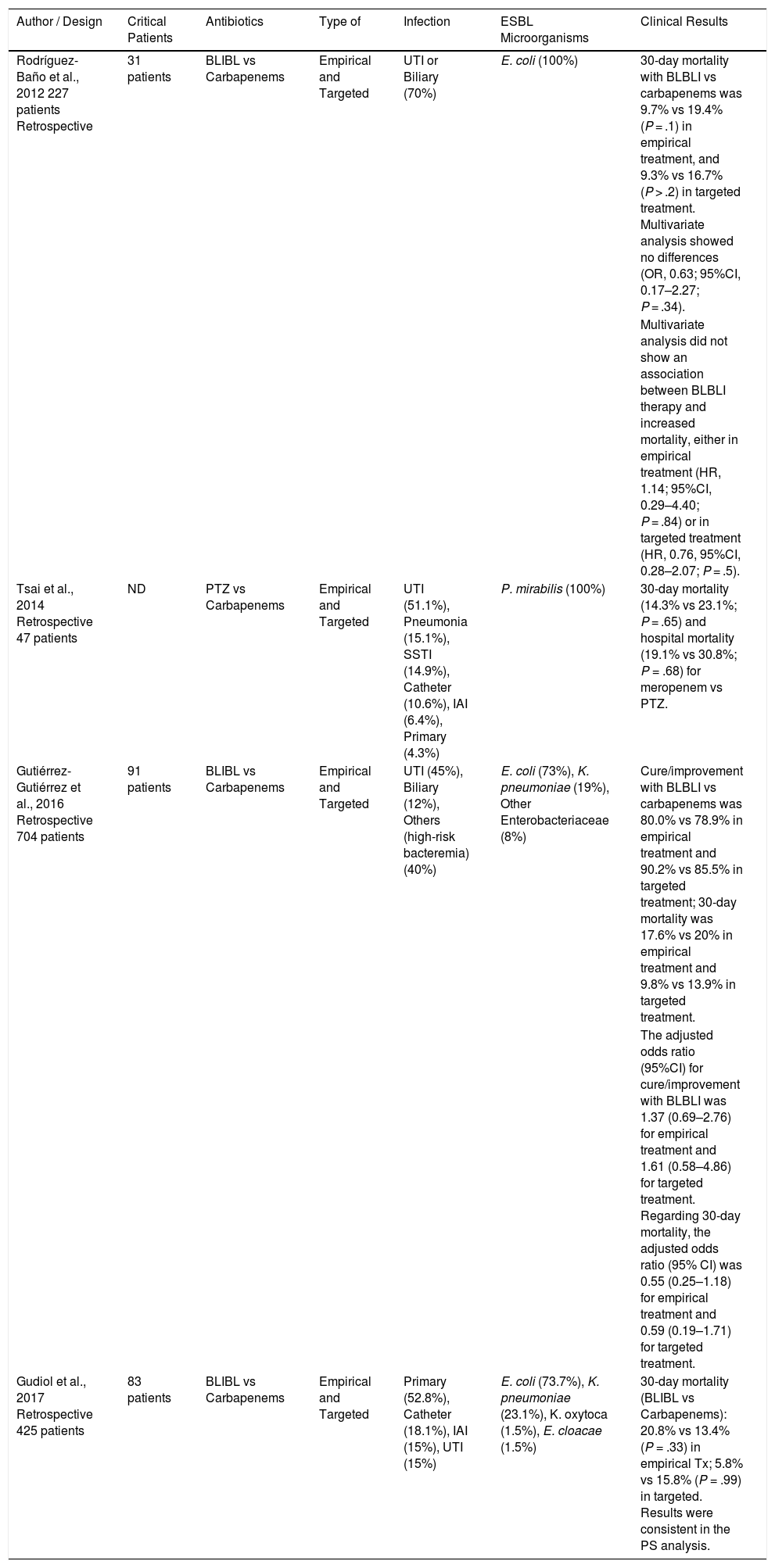
Extended-spectrum β-lactamases-producing EnterobacteralesESBL (extended-spectrum β-lactamases)-producing Enterobacterales are enzymes that confer resistance to third-generation cephalosporins and monobactams but not to cephamycins. Most belong to Ambler class A and are encoded by SHV, TEM, and CTX-M genes, with CTX-M enzymes currently predominating.14 Several observational multicenter studies (Table 3) have suggested no significant differences in clinical outcomes between piperacillin-tazobactam and carbapenems.15–18 In some of these studies, the authors found that amoxicillin-clavulanate, piperacillin-tazobactam, aminoglycosides, and fluoroquinolones, when showing in vitro susceptibility, were not inferior to carbapenems and may therefore represent viable targeted treatment options.
Multicenter studies evaluating BLIBL vs carbapenems in the treatment of ESBL-producing Enterobacterales.
| Author / Design | Critical Patients | Antibiotics | Type of | Infection | ESBL Microorganisms | Clinical Results |
|---|---|---|---|---|---|---|
| Rodríguez-Baño et al., 2012 227 patients Retrospective | 31 patients | BLIBL vs Carbapenems | Empirical and Targeted | UTI or Biliary (70%) | E. coli (100%) | 30-day mortality with BLBLI vs carbapenems was 9.7% vs 19.4% (P = .1) in empirical treatment, and 9.3% vs 16.7% (P > .2) in targeted treatment. Multivariate analysis showed no differences (OR, 0.63; 95%CI, 0.17–2.27; P = .34). |
| Multivariate analysis did not show an association between BLBLI therapy and increased mortality, either in empirical treatment (HR, 1.14; 95%CI, 0.29–4.40; P = .84) or in targeted treatment (HR, 0.76, 95%CI, 0.28–2.07; P = .5). | ||||||
| Tsai et al., 2014 Retrospective 47 patients | ND | PTZ vs Carbapenems | Empirical and Targeted | UTI (51.1%), Pneumonia (15.1%), SSTI (14.9%), Catheter (10.6%), IAI (6.4%), Primary (4.3%) | P. mirabilis (100%) | 30-day mortality (14.3% vs 23.1%; P = .65) and hospital mortality (19.1% vs 30.8%; P = .68) for meropenem vs PTZ. |
| Gutiérrez-Gutiérrez et al., 2016 Retrospective 704 patients | 91 patients | BLIBL vs Carbapenems | Empirical and Targeted | UTI (45%), Biliary (12%), Others (high-risk bacteremia) (40%) | E. coli (73%), K. pneumoniae (19%), Other Enterobacteriaceae (8%) | Cure/improvement with BLBLI vs carbapenems was 80.0% vs 78.9% in empirical treatment and 90.2% vs 85.5% in targeted treatment; 30-day mortality was 17.6% vs 20% in empirical treatment and 9.8% vs 13.9% in targeted treatment. |
| The adjusted odds ratio (95%CI) for cure/improvement with BLBLI was 1.37 (0.69–2.76) for empirical treatment and 1.61 (0.58–4.86) for targeted treatment. Regarding 30-day mortality, the adjusted odds ratio (95% CI) was 0.55 (0.25–1.18) for empirical treatment and 0.59 (0.19–1.71) for targeted treatment. | ||||||
| Gudiol et al., 2017 Retrospective 425 patients | 83 patients | BLIBL vs Carbapenems | Empirical and Targeted | Primary (52.8%), Catheter (18.1%), IAI (15%), UTI (15%) | E. coli (73.7%), K. pneumoniae (23.1%), K. oxytoca (1.5%), E. cloacae (1.5%) | 30-day mortality (BLIBL vs Carbapenems): 20.8% vs 13.4% (P = .33) in empirical Tx; 5.8% vs 15.8% (P = .99) in targeted. Results were consistent in the PS analysis. |
BLIBL: -lactam/-lactamase inhibitor combinations; ESBL: Extended-spectrum -lactamases; IAI: Intra-abdominal infection; PTZ: Piperacillin-tazobactam; SSTI: Skin and soft tissue infection; Tx: Treatment; UTI: Urinary tract infection; PS: propensity score.
Current clinical practice guideline recommendations favor carbapenems based mainly on the MERINO study. This was a multicenter, open-label clinical trial comparing piperacillin-tazobactam with meropenem in patients with bloodstream infections caused by E. coli and K. pneumoniae resistant to third-generation cephalosporins.19 Piperacillin-tazobactam failed to demonstrate noninferiority and showed higher 30-day mortality rates compared with meropenem. The predominant role of carbapenems in the treatment of severe ESBL infections has been questioned due to the potential risk of promoting resistance. Additionally, the results of this trial have been controversial due to several factors, including early study termination and the high rate of piperacillin-tazobactam nonsusceptibility identified retrospectively in microbiological isolates. A subanalysis by Henderson et al.20 showed a decreasing difference in absolute risk of 30-day mortality when piperacillin-tazobactam-resistant strains were excluded.
In recent years, new agents have become available, and several studies confirm the usefulness of some of them, such as ceftolozane-tazobactam,21 ceftazidime-avibactam,22 and the more recently introduced eravacycline,23 in the treatment of severe infections caused by ESBL-producing Enterobacterales. Additionally, cefepime-enmetazobactam has recently been introduced. Enmetazobactam irreversibly binds to class A β-lactamases and inactivates enzymes such as TEM, SHV, CTX-M, and, to a lesser extent, some KPC.24 Cefepime-enmetazobactam may therefore represent a carbapenem-sparing alternative for infections caused by ESBL-producing Enterobacterales, although data in critically ill patients are still lacking.
We consider, in line with clinical practice guidelines, that carbapenems (meropenem and imipenem) are the treatment of choice for severe infections caused by ESBL-producing Enterobacterales in critically ill patients.25–27 Ertapenem is a valid option for targeted therapy.28 although it is not recommended in cases of septic shock. Piperacillin-tazobactam may also be considered for targeted treatment of nonsevere infections caused by ESBL-producing Enterobacterales when antibiogram results are available (EUCAST breakpoint for piperacillin-tazobactam minimum inhibitory concentration ≤8 mg/L).29
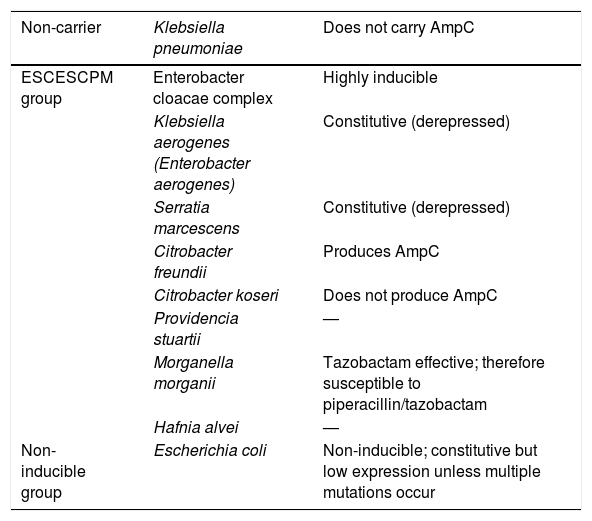
Enterobacterales potentially inducible for chromosomal AmpC derepressionEnterobacterales such as Enterobacter cloacae complex, Klebsiella aerogenes, and Citrobacter freundii, and to a lesser extent Serratia marcescens, Providencia stuartii, and Morganella morganii, carry a chromosomal AmpC that can be expressed to varying degrees, conferring resistance to multiple antibiotics (Table 4). Expression depends on the presence of an excessive amount of muropeptides (derived from cell lysis), which reverse the usual inhibition of the AmpC-encoding gene (a mechanism known as induction), or on the occurrence of a mutation in the regulatory protein that would normally inhibit the action of a nonexcessive amount of muropeptides (a mechanism known as constitutive expression). The result is phenotypic expression of resistance, which may even emerge during antibiotic treatment, with consequent clinical implications.30
Classification of AmpC β-lactamases.
| Non-carrier | Klebsiella pneumoniae | Does not carry AmpC |
|---|---|---|
| ESCESCPM group | Enterobacter cloacae complex | Highly inducible |
| Klebsiella aerogenes (Enterobacter aerogenes) | Constitutive (derepressed) | |
| Serratia marcescens | Constitutive (derepressed) | |
| Citrobacter freundii | Produces AmpC | |
| Citrobacter koseri | Does not produce AmpC | |
| Providencia stuartii | — | |
| Morganella morganii | Tazobactam effective; therefore susceptible to piperacillin/tazobactam | |
| Hafnia alvei | — | |
| Non-inducible group | Escherichia coli | Non-inducible; constitutive but low expression unless multiple mutations occur |
For this reason, in severe infections or in frail patients, recent guidelines recommend avoiding drugs with higher inductive potential, such as third-generation cephalosporins or piperacillin-tazobactam.27 Several studies have shown an induction rate of approximately 20% in these bacteria when treated with third-generation cephalosporins.31,32 Cefepime is an alternative to carbapenem overuse due to its lower inductive effect and because it retains activity against most induced strains. However, the minimum inhibitory concentration (MIC) of cefepime must be considered as a factor that may limit its efficacy. Thus, an MIC ≤1 mg/L (currently the EUCAST breakpoint) is considered a reliable phenotypic indicator to rule out the simultaneous presence of other resistance mechanisms (ESBL or porin mutations), and cefepime can be used for treatment in these cases.33 Tigecycline, eravacycline, new cephalosporin–β-lactamase inhibitor combinations, and cefiderocol are therapeutic alternatives, depending on the presence of additional resistance mechanisms. New combinations of cefepime with taniborbactam or enmetazobactam have shown efficacy even in strains not susceptible to cefepime.34
As a recommendation, third-generation cephalosporins may be considered in uncomplicated infections in the absence of induction. Even when phenotypic susceptibility is present, cefepime is a better option in severe infections, in high-risk patients, or when resistance is constitutive. However, cefepime MIC should always be considered, and clinical and microbiological monitoring of changes in chromosomal AmpC phenotypic expression is required. In cases of severe infections presenting as septic shock, carbapenems are the treatment of choice, bearing in mind the intrinsically low activity of imipenem against M. morganii, Proteus spp., or Providencia spp.
Carbapenemase-producing EnterobacteralesThe emergence and spread of carbapenemase-producing Enterobacterales (CPE) represent a global public health problem, associated with increased morbidity, mortality, and healthcare costs in intensive care units (ICUs).35 Although nonenzymatic mechanisms (e.g., porin loss or efflux pumps) may contribute to carbapenem resistance, most Enterobacterales strains produce carbapenemases (Table 1), for which, for decades, the only therapeutic options were older, less effective, and more toxic agents (polymyxins, aminoglycosides, tetracyclines) or carbapenem combinations.36 In recent years, however, the introduction of innovative molecules and combinations of carbapenems with β-lactamase inhibitors has transformed the treatment landscape of these severe infections. Although most of these agents have not been evaluated in randomized trials specifically targeting CPE infections, both pivotal trials and increasing real-world experience have led major international societies to recommend them as first-line treatments over traditional agents.25–27
Ceftazidime-avibactam is active against producing KPC- and OXA-48-producing Enterobacterales and has shown optimal clinical cure rates in the treatment of severe infections.37 However, its widespread clinical use has raised concern about emerging reduced susceptibility and resistance, associated with clinical failure, particularly in patients with pneumonia undergoing renal replacement therapy.38 In fact, although meropenem-vaborbactam has demonstrated efficacy with lower MIC values, it is not active against OXA-48-producing strains.37–39 Similarly, imipenem-relebactam may be an alternative due to its activity against KPC-producing Enterobacterales, although clinical experience remains limited.40
For metallo-β-lactamases (MBL)-producing Enterobacterales, cefiderocol (especially active against IMP and VIM enzymes) is currently available, and more recently aztreonam-avibactam has been introduced (or ceftazidime-avibactam plus aztreonam when unavailable), which is particularly active against New Delhi metallo-β-lactamase (NDM). Aztreonam-avibactam is active against most CPE strains, as MBL enzymes do not inactivate aztreonam.41 In a retrospective study, ceftazidime-avibactam plus aztreonam, compared with colistin, was independently associated with reduced 30-day mortality (aHR, 0.39 [95%CI, 0.18−0.86]; P = .02).7 More recently, experience with aztreonam-avibactam in MBL-producing GNB has been reported, although the series was very small (15 patients) and compared with only 3 patients treated with other antibiotic combinations (clinical cure 42% vs 0%).42
Cefiderocol is a siderophore cephalosporin with activity against CPE (KPC, MBL, although with lower activity against NDM and OXA types), carbapenem-resistant A. baumannii, P. aeruginosa, and S. maltophilia. In a secondary analysis of pivotal trials (CREDIBLE-CR43 and APEKS-NP44), cefiderocol was effective against MBL-producing GNB, with higher clinical cure (70.8%), microbiological eradication (58.3%), and lower day-28 crude mortality (12.5%) vs best available therapy and high-dose meropenem (40%, 30%, and 50%, respectively).45
Eravacycline is a novel tetracycline with broad activity that includes carbapenemase-producing GNB, A. baumannii, and S. maltophilia. It is currently approved only for intra-abdominal infections. However, due to its lack of activity against P. aeruginosa and limited clinical experience in respiratory infections, its use in nosocomial pneumonia caused by carbapenem-resistant gram-negative bacteria remains controversial.46
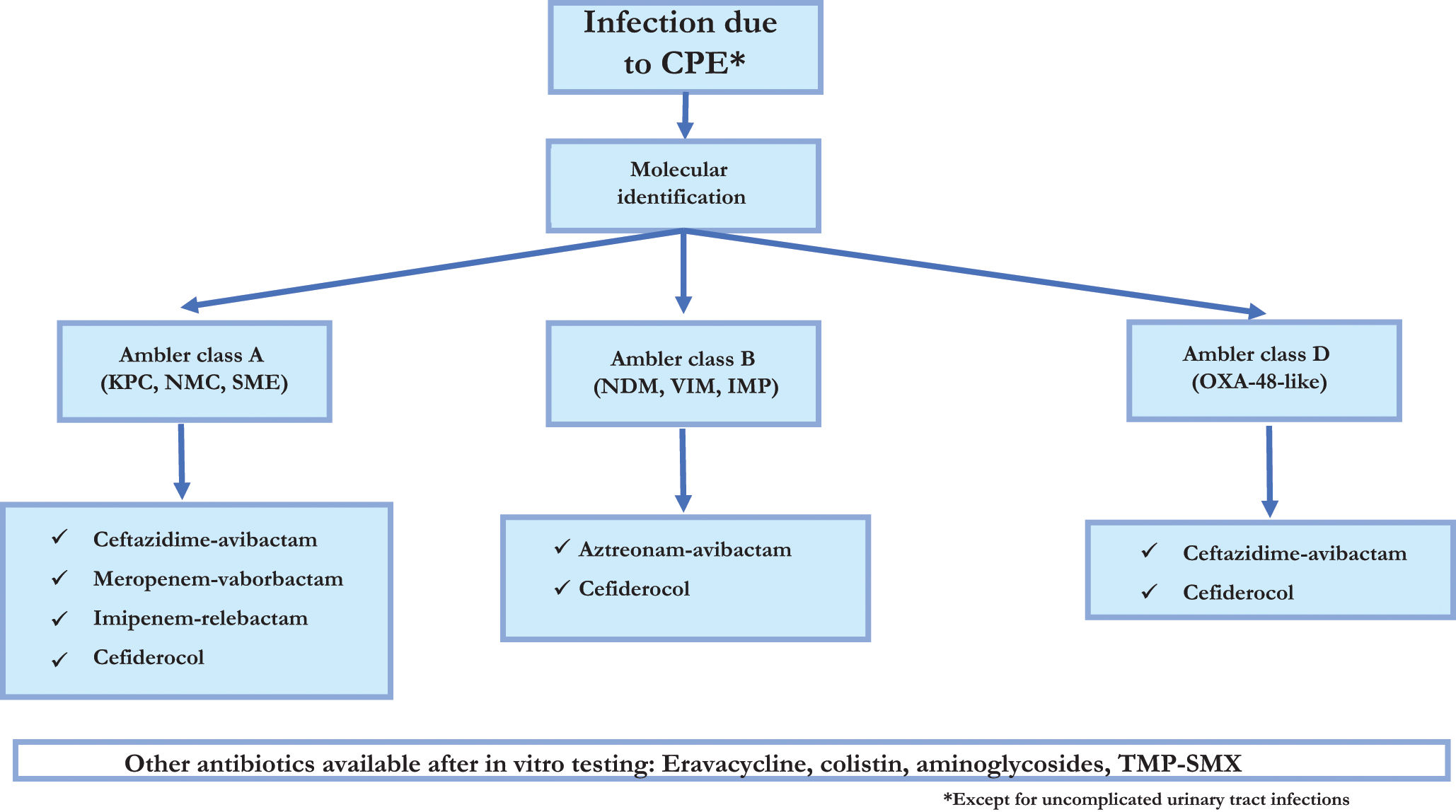
In such a complex landscape, no single molecule is universally effective. Only a thorough understanding of bacterial resistance profiles, as well as the spectrum and pharmacokinetics of new therapeutic options, allows selection of the appropriate agent for each patient. This information is summarized in Fig. 2.
Pseudomonas aeruginosaRecently, new therapeutic options have been introduced for P. aeruginosa, the most frequently isolated GNB in critically ill patients and often characterized by multiple resistance mechanisms. Ceftolozane is an advanced-generation cephalosporin structurally similar to ceftazidime; however, its differences confer activity in the presence of efflux pumps, OprD porin loss, AmpC overproduction, and reduced susceptibility to Pseudomonas cephalosporinases. The combination with tazobactam is required to maintain stability in the presence of ESBL, although it is inactivated by carbapenemases. Currently, ceftolozane-tazobactam is one of the most potent antibiotics against P. aeruginosa, along with ceftazidime-avibactam, imipenem-relebactam and cefiderocol.47 In carbapenemase-producing P. aeruginosa, ceftazidime-avibactam and imipenem-relebactam may retain activity against class A carbapenemases (KPC or GES), whereas for MBL producers, only cefiderocol remains active.
Aztreonam-avibactam has limited activity against P. aeruginosa, even in non-MBL producers. The MIC50 of P. aeruginosa isolates in Spain was 8 mg/L, and 20.3% were resistant to aztreonam.48 The addition of avibactam does not enhance aztreonam activity, as the main resistance mechanism is expression of the MexAB-OprM efflux pump.49 Alternatives to these β-lactams include suboptimal agents such as colistin or aminoglycosides, which have been associated with higher rates of therapeutic failure and a higher incidence rate of renal failure.50,51
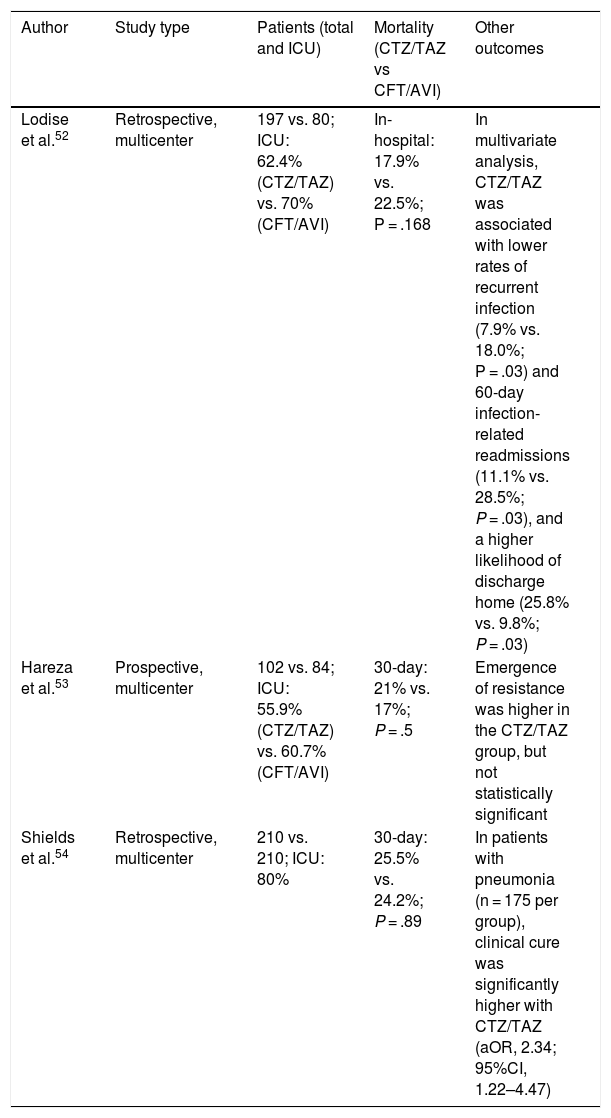
Current recommendations from scientific societies for severe P. aeruginosa infections include ceftolozane-tazobactam as first-line therapy and ceftazidime-avibactam or imipenem-relebactam as second-line options. Cefiderocol is the alternative for MBL-producing strains. A controversial issue is whether to use ceftolozane-tazobactam or ceftazidime-avibactam in difficult-to-treat P. aeruginosa infections. Three recent studies have reported conflicting results52–54 (Table 5).
Results of observational studies comparing ceftolozane–tazobactam vs ceftazidime–avibactam in severe infections due to difficult-to-treat P. aeruginosa.
| Author | Study type | Patients (total and ICU) | Mortality (CTZ/TAZ vs CFT/AVI) | Other outcomes |
|---|---|---|---|---|
| Lodise et al.52 | Retrospective, multicenter | 197 vs. 80; ICU: 62.4% (CTZ/TAZ) vs. 70% (CFT/AVI) | In-hospital: 17.9% vs. 22.5%; P = .168 | In multivariate analysis, CTZ/TAZ was associated with lower rates of recurrent infection (7.9% vs. 18.0%; P = .03) and 60-day infection-related readmissions (11.1% vs. 28.5%; P = .03), and a higher likelihood of discharge home (25.8% vs. 9.8%; P = .03) |
| Hareza et al.53 | Prospective, multicenter | 102 vs. 84; ICU: 55.9% (CTZ/TAZ) vs. 60.7% (CFT/AVI) | 30-day: 21% vs. 17%; P = .5 | Emergence of resistance was higher in the CTZ/TAZ group, but not statistically significant |
| Shields et al.54 | Retrospective, multicenter | 210 vs. 210; ICU: 80% | 30-day: 25.5% vs. 24.2%; P = .89 | In patients with pneumonia (n = 175 per group), clinical cure was significantly higher with CTZ/TAZ (aOR, 2.34; 95%CI, 1.22–4.47) |
CTZ/TAZ: Ceftolozane–tazobactam; CFT/AVI: Ceftazidime–avibactam; ICU: Intensive Care Unit; p: Statistical significance value; aOR: Adjusted odds ratio; CI: Confidence interval; P. aeruginosa: Pseudomonas aeruginosa.
Therefore, targeted therapy should be based on antibiogram results. We recommend ceftolozane-tazobactam as first-line therapy and reserving ceftazidime-avibactam for infections caused by carbapenemase-producing Enterobacterales (class A and D). As alternatives, in cases of resistance or borderline susceptibility MIC values, imipenem-relebactam or cefiderocol should be considered. With the availability of these new antipseudomonal antibiotics, there is no evidence suggesting a clinical benefit of combination therapy.
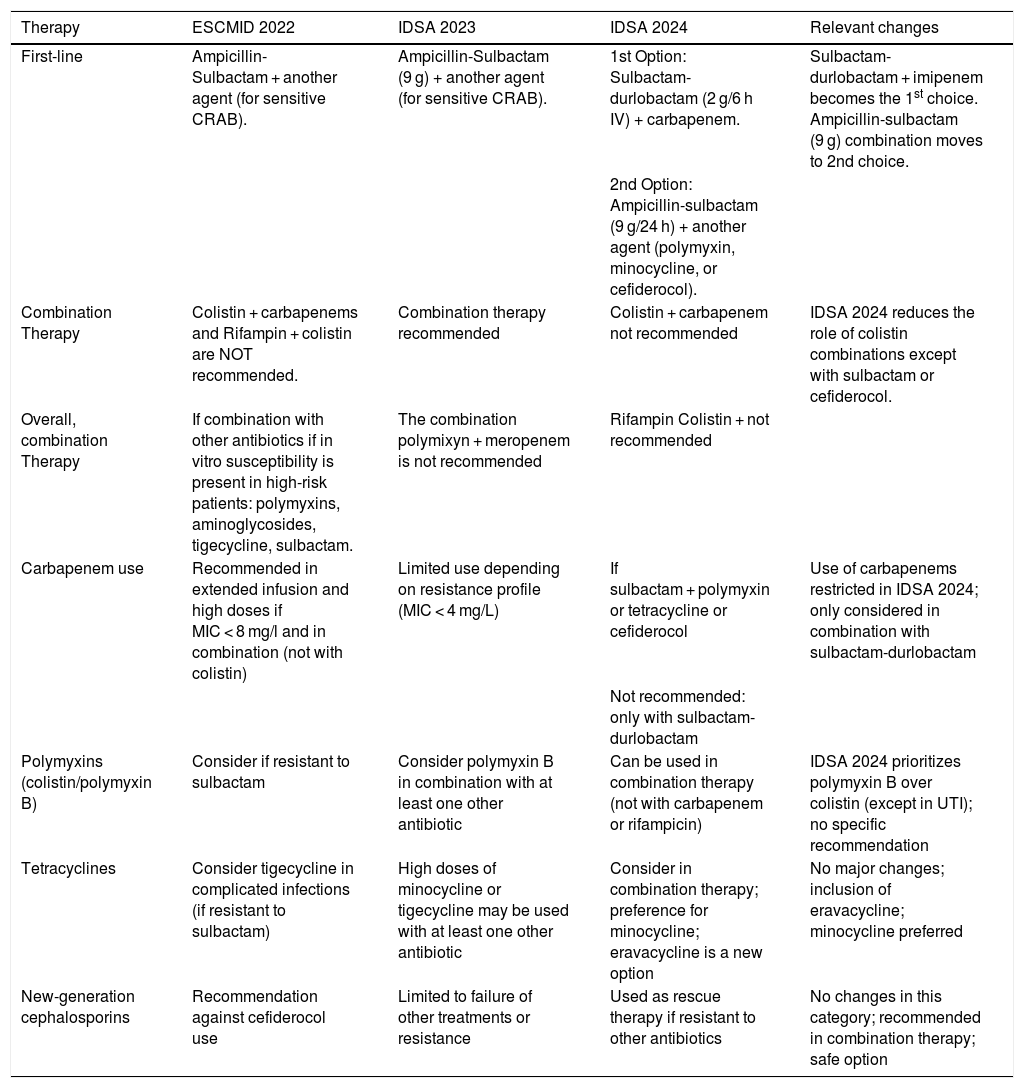
Acinetobacter baumanniiInfections caused by carbapenem-resistant A. baumannii (CRAB) are associated with high morbidity and mortality due to their ability to cause severe infections, typically in debilitated patients, and the limited availability of therapeutic options. In recent years, relevant clinical practice guidelines have been published, reflecting a dynamic evolution in the therapeutic approach to this microorganism,25–27,55 as summarized in Table 6.
Clinical Practice Guideline Recommendations for the Treatment of A. baumannii.
| Therapy | ESCMID 2022 | IDSA 2023 | IDSA 2024 | Relevant changes |
|---|---|---|---|---|
| First-line | Ampicillin-Sulbactam + another agent (for sensitive CRAB). | Ampicillin-Sulbactam (9 g) + another agent (for sensitive CRAB). | 1st Option: Sulbactam-durlobactam (2 g/6 h IV) + carbapenem. | Sulbactam-durlobactam + imipenem becomes the 1st choice. Ampicillin-sulbactam (9 g) combination moves to 2nd choice. |
| 2nd Option: Ampicillin-sulbactam (9 g/24 h) + another agent (polymyxin, minocycline, or cefiderocol). | ||||
| Combination Therapy | Colistin + carbapenems and Rifampin + colistin are NOT recommended. | Combination therapy recommended | Colistin + carbapenem not recommended | IDSA 2024 reduces the role of colistin combinations except with sulbactam or cefiderocol. |
| Overall, combination Therapy | If combination with other antibiotics if in vitro susceptibility is present in high-risk patients: polymyxins, aminoglycosides, tigecycline, sulbactam. | The combination polymixyn + meropenem is not recommended | Rifampin Colistin + not recommended | |
| Carbapenem use | Recommended in extended infusion and high doses if MIC < 8 mg/l and in combination (not with colistin) | Limited use depending on resistance profile (MIC < 4 mg/L) | If sulbactam + polymyxin or tetracycline or cefiderocol | Use of carbapenems restricted in IDSA 2024; only considered in combination with sulbactam-durlobactam |
| Not recommended: only with sulbactam-durlobactam | ||||
| Polymyxins (colistin/polymyxin B) | Consider if resistant to sulbactam | Consider polymyxin B in combination with at least one other antibiotic | Can be used in combination therapy (not with carbapenem or rifampicin) | IDSA 2024 prioritizes polymyxin B over colistin (except in UTI); no specific recommendation |
| Tetracyclines | Consider tigecycline in complicated infections (if resistant to sulbactam) | High doses of minocycline or tigecycline may be used with at least one other antibiotic | Consider in combination therapy; preference for minocycline; eravacycline is a new option | No major changes; inclusion of eravacycline; minocycline preferred |
| New-generation cephalosporins | Recommendation against cefiderocol use | Limited to failure of other treatments or resistance | Used as rescue therapy if resistant to other antibiotics | No changes in this category; recommended in combination therapy; safe option |
ESCMID: European Society of Clinical Microbiology and Infectious Diseases; IDSA: Infectious Diseases Society of America; CRAB: Carbapenem-resistant Acinetobacter baumannii; IV: Intravenous; MIC: Minimum Inhibitory Concentration; UTI: Urinary Tract Infection.
There are no conclusive data regarding the optimal therapy for CRAB. In cases where susceptibility is demonstrated, regimens based on high-dose sulbactam (9 g/24 h, to saturate PBPs and compensate for β-lactamase hydrolysis) should be used in combination with other antibiotics (polymyxins, glycylcyclines, or cefiderocol).56 Polymyxins, despite their toxicity and unpredictable pharmacokinetics, may have a role in selected cases but should be avoided as monotherapy.57 Polymyxin B is preferred for systemic infections due to its more favorable pharmacokinetic profile (although it is not available in our country), whereas colistin is preferred for urinary tract infections due to its conversion to the active form in the urinary tract.58
In this context, cefiderocol is a new therapeutic alternative, as up to 95% of isolates are susceptible using the CLSI breakpoint of ≤4 μg/mL.59 Although in the CREDIBLE trial43 mortality was numerically higher in patients with A. baumannii infection treated with cefiderocol vs the best available therapy, recent evidence supports its efficacy in critically ill patients with severe CRAB infections, either alone or in combination with other antimicrobials such as sulbactam or glycylcyclines.60,61 Moreover, glycylcyclines may represent a therapeutic option, particularly minocycline; however, IV formulations are not available in our setting, and tigecycline has shown inconsistent results (no CLSI/EUCAST breakpoint established). These agents exhibit rapid tissue distribution after administration, resulting in limited serum and urinary concentrations. The recent introduction of eravacycline, with a more favorable PK/PD profile and high in vitro activity vs CRAB is a promising therapeutic alternative.62
Finally, sulbactam-durlobactam is a combination of sulbactam, a β-lactamase inhibitor with intrinsic activity against A. baumannii through inhibition of PBP3, and durlobactam, a novel β-lactamase inhibitor that targets class A and C β-lactamases and a potent inhibitor of class D enzymes, including OXA-23, OXA-24, and OXA-58, which are highly prevalent in A. baumannii.63
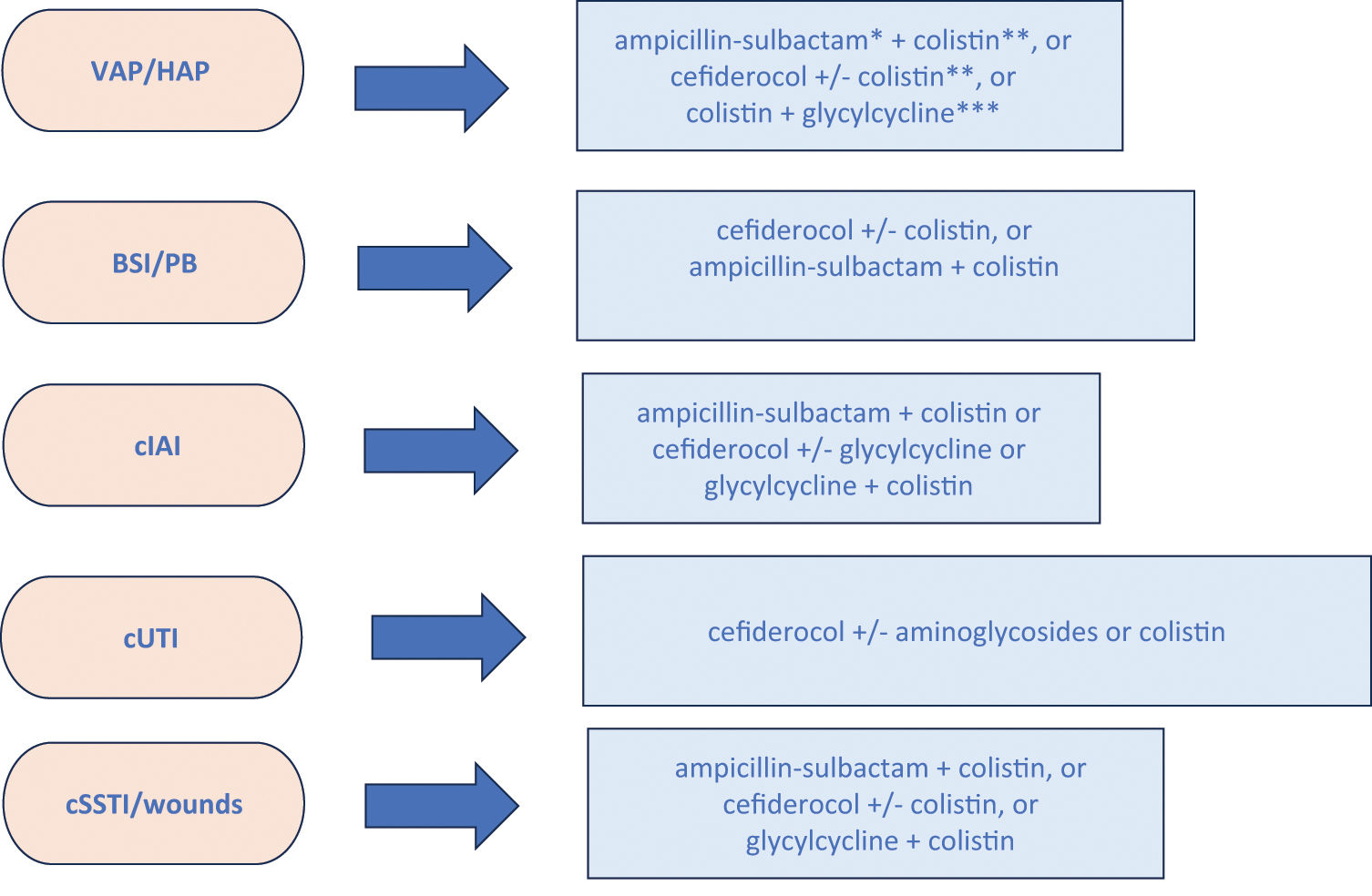
In the absence of stronger evidence, treatment of CRAB infections should preferably involve combination therapy and be individualized according to the infection site, susceptibility profile, and the patient’s clinical condition, as proposed in Fig. 3.
Suggested targeted treatment for infections caused by carbapenem-resistant A. baumannii. In the absence of stronger evidence, the clinician should select the antibiotic or combination of antibiotics best suited to the patient’s condition, considering factors such as the presence or absence of organ failure (e.g., renal failure is particularly relevant when using colistin and aminoglycosides), the PK/PD profile of each drug, the site of infection, allergies (e.g., to β-lactams), and drug availability.
VAP/HAP: ventilator-associated pneumonia and hospital-acquired pneumonia, respectively; BSI/PB: bloodstream infection/primary bacteremia; cIAI: complicated intra-abdominal infection; cUTI: complicated urinary tract infection; cSSTI: complicated skin and soft tissue infection.
*If available, replace ampicillin-sulbactam with sulbactam-durlobactam (in combination with a carbapenem).
** If available, use polymyxin B instead of colistin, except in urinary tract infections, where colistin is preferred due to renal elimination.
*** If available, replace tigecycline with minocycline or eravacycline.
S. maltophilia has emerged as a pathogen of increasing clinical relevance. Initially considered of low virulence, it now represents a significant threat due to its intrinsic resistance to multiple antimicrobials (it possesses 2 chromosomal β-lactamases: L1, a metallo-β-lactamase, and L2, a serine β-lactamase) and its capacity to acquire additional resistance mechanisms, thereby limiting available therapeutic options.64 Controversy persists regarding the optimal management of S. maltophilia due to the lack of comparative evidence on the efficacy of available antimicrobial agents. It is essential to distinguish between colonization and infection to avoid unnecessary antimicrobial use.
Therapeutic options for S. maltophilia include cefiderocol, aztreonam-avibactam (or the combination of aztreonam plus ceftazidime-avibactam when aztreonam-avibactam is unavailable), minocycline, trimethoprim-sulfamethoxazole, or levofloxacin (listed in order of preference according to recent IDSA guidelines) 27. The latest EUCAST review considers tigecycline an alternative when susceptibility to minocycline is demonstrated, given the lack of an intravenous formulation.65
In cases of confirmed infection, particularly in critically ill patients, recent IDSA guidelines recommend combination therapy.27 This recommendation is based on a retrospective study of patients with hospital-acquired pneumonia, in which combination therapy reduced mortality vs monotherapy in immunocompromised patients or those with high severity (APACHE II >15).66 In contrast, other observational studies have not demonstrated a mortality benefit of combination therapy over monotherapy in S. maltophilia pneumonia.67,68
Therefore, we recommend combination therapy only in severe infections in immunocompromised patients or in cases presenting with septic shock. Antimicrobial selection should be individualized; however, trimethoprim-sulfamethoxazole or levofloxacin are valid options when in vitro susceptibility is demonstrated. Subsequently, guided by antibiogram results and favorable clinical evolution, transition to monotherapy may be considered.
Role of new antimicrobials in empirical treatment of critically ill patientsBefore the development of new antibiotics, MDR-GNB infections were treated with combinations of 2 or 3 conventional antibiotics, such as aminoglycosides or colistin, which, although active in vitro, have less favorable pharmacokinetic and safety profiles.50,51,57,69 New β-lactams have demonstrated greater clinical efficacy and improved pharmacokinetic characteristics9,70,71 and are therefore considered first-line therapy for these infections.25–27,55
Delay in initiating appropriate empirical therapy is associated with a significant increase in mortality. In severe infections, optimal empirical therapy should provide coverage against the most likely pathogens, a favorable safety profile, and adequate penetration at the infection site. These characteristics are particularly important in high-inoculum infections and in patients with septic shock.72 In most cases, these new antibiotics are used as targeted therapy and sometimes as rescue therapy, making it difficult to assess their impact on mortality. However, a recent study demonstrated the negative impact of delaying initiation of these agents in infections caused by Enterobacterales or P. aeruginosa.73 Because microbiological confirmation may take > 72 h, patients with septic shock due to MDR-GNB may benefit from early empirical treatment with a broad-spectrum novel antibiotic. However, the risk of early resistance development must be considered as well.74
Knowing the spectrum of the new antibiotics as shown in Table 2, their empirical use should be reserved for patients with septic shock and one of the following circumstances: patients with MDR-GNB colonization with any of these resistance mechanisms, or when a multiplex PCR test identifies a GNB with detection of a gene encoding one of these resistance mechanisms. On the other hand, it should be noted that an excessively broad spectrum in empirical treatment has been associated with higher in-hospital mortality rate.75 Efforts to preserve new antibiotics should focus on early de-escalation or discontinuation of treatment when the initially suspected infection is not confirmed.
Optimization of antibiotic therapyIn critically ill patients with severe infections, antibiotic dosing must be optimized to improve efficacy and clinical outcomes.76 Pharmacokinetics vary widely among critically ill patients depending on anthropometric characteristics, infection severity, organ support, renal replacement therapy, and extracorporeal membrane oxygenation.
Although various pharmacokinetic/pharmacodynamic (PK/PD) targets have been proposed for β-lactams, in critically ill patients the goal should be to maintain free drug concentrations > 4 times the MIC for 100% of the dosing interval (100% T > 4 × MIC).77 A prospective, multicenter study designed to describe the frequency with which PK/PD targets for β-lactam antibiotics were achieved in critically ill patients concluded that attainment of the PK/PD target (100% T > 4 × MIC) was achieved in only 35% of measurements.78
One of the most widely used strategies to achieve serum β-lactam concentrations above the MIC for 100% of the time is administration by extended or continuous infusion. For this purpose, it is important to understand their stability characteristics at room temperature. A recent meta-analysis has shown that prolonged infusion of β-lactams significantly reduces 90-day mortality vs intermittent administration.79
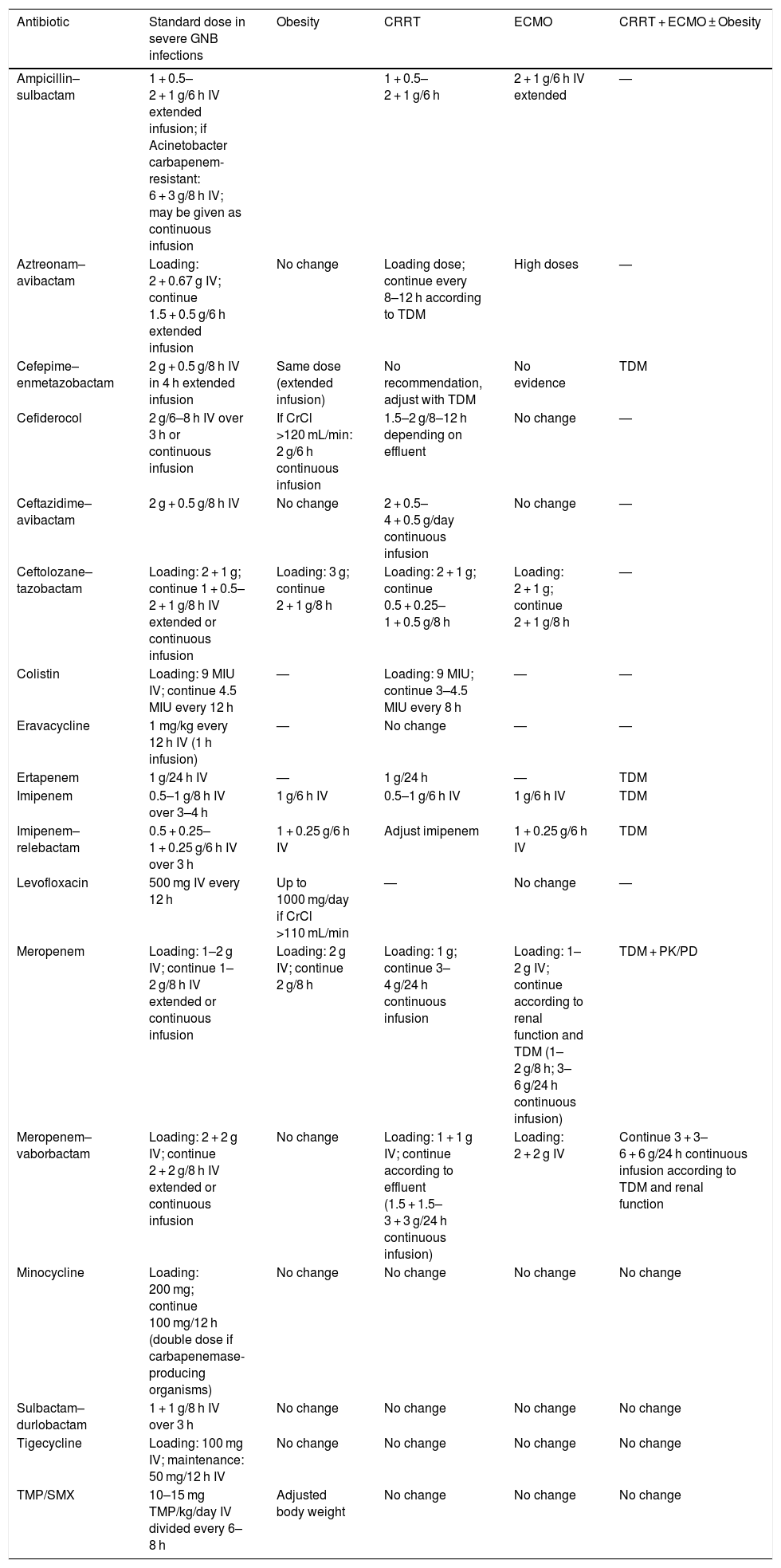
The recommended doses of the antibiotics discussed in this article for critically ill patients are summarized in Table 7. In patients with renal dysfunction, β-lactam doses should not be adjusted during the first 48 h to avoid subtherapeutic levels. Another aspect to consider is augmented renal clearance (hyperfiltrating patients), which is associated with subtherapeutic β-lactam concentrations.80 The optimization of dosing in the management of new β-lactams must consider that these are hydrophilic drugs with renal elimination; both characteristics increase the risk of not achieving effective doses in critically ill patients. It is essential to highlight the importance of therapeutic drug monitoring to determine the appropriate dosing for each patient, particularly in those with renal dysfunction, morbid obesity, or ECMO.77,81
Recommended dosing of antibiotics used in severe MDR-GNB infections.
| Antibiotic | Standard dose in severe GNB infections | Obesity | CRRT | ECMO | CRRT + ECMO ± Obesity |
|---|---|---|---|---|---|
| Ampicillin–sulbactam | 1 + 0.5–2 + 1 g/6 h IV extended infusion; if Acinetobacter carbapenem-resistant: 6 + 3 g/8 h IV; may be given as continuous infusion | 1 + 0.5–2 + 1 g/6 h | 2 + 1 g/6 h IV extended | — | |
| Aztreonam–avibactam | Loading: 2 + 0.67 g IV; continue 1.5 + 0.5 g/6 h extended infusion | No change | Loading dose; continue every 8–12 h according to TDM | High doses | — |
| Cefepime–enmetazobactam | 2 g + 0.5 g/8 h IV in 4 h extended infusion | Same dose (extended infusion) | No recommendation, adjust with TDM | No evidence | TDM |
| Cefiderocol | 2 g/6–8 h IV over 3 h or continuous infusion | If CrCl >120 mL/min: 2 g/6 h continuous infusion | 1.5–2 g/8–12 h depending on effluent | No change | — |
| Ceftazidime–avibactam | 2 g + 0.5 g/8 h IV | No change | 2 + 0.5–4 + 0.5 g/day continuous infusion | No change | — |
| Ceftolozane–tazobactam | Loading: 2 + 1 g; continue 1 + 0.5–2 + 1 g/8 h IV extended or continuous infusion | Loading: 3 g; continue 2 + 1 g/8 h | Loading: 2 + 1 g; continue 0.5 + 0.25–1 + 0.5 g/8 h | Loading: 2 + 1 g; continue 2 + 1 g/8 h | — |
| Colistin | Loading: 9 MIU IV; continue 4.5 MIU every 12 h | — | Loading: 9 MIU; continue 3–4.5 MIU every 8 h | — | — |
| Eravacycline | 1 mg/kg every 12 h IV (1 h infusion) | — | No change | — | — |
| Ertapenem | 1 g/24 h IV | — | 1 g/24 h | — | TDM |
| Imipenem | 0.5–1 g/8 h IV over 3–4 h | 1 g/6 h IV | 0.5–1 g/6 h IV | 1 g/6 h IV | TDM |
| Imipenem–relebactam | 0.5 + 0.25–1 + 0.25 g/6 h IV over 3 h | 1 + 0.25 g/6 h IV | Adjust imipenem | 1 + 0.25 g/6 h IV | TDM |
| Levofloxacin | 500 mg IV every 12 h | Up to 1000 mg/day if CrCl >110 mL/min | — | No change | — |
| Meropenem | Loading: 1–2 g IV; continue 1–2 g/8 h IV extended or continuous infusion | Loading: 2 g IV; continue 2 g/8 h | Loading: 1 g; continue 3–4 g/24 h continuous infusion | Loading: 1–2 g IV; continue according to renal function and TDM (1–2 g/8 h; 3–6 g/24 h continuous infusion) | TDM + PK/PD |
| Meropenem–vaborbactam | Loading: 2 + 2 g IV; continue 2 + 2 g/8 h IV extended or continuous infusion | No change | Loading: 1 + 1 g IV; continue according to effluent (1.5 + 1.5–3 + 3 g/24 h continuous infusion) | Loading: 2 + 2 g IV | Continue 3 + 3–6 + 6 g/24 h continuous infusion according to TDM and renal function |
| Minocycline | Loading: 200 mg; continue 100 mg/12 h (double dose if carbapenemase-producing organisms) | No change | No change | No change | No change |
| Sulbactam–durlobactam | 1 + 1 g/8 h IV over 3 h | No change | No change | No change | No change |
| Tigecycline | Loading: 100 mg IV; maintenance: 50 mg/12 h IV | No change | No change | No change | No change |
| TMP/SMX | 10–15 mg TMP/kg/day IV divided every 6–8 h | Adjusted body weight | No change | No change | No change |
MDR-GNB: multidrug-resistant gram-negative bacilli; CRRT: continuous renal replacement therapy; ECMO: extracorporeal membrane oxygenation; IV: intravenous; TDM: therapeutic drug monitoring; CrCl: creatinine clearance; GFR: glomerular filtration rate; PK/PD: pharmacokinetics/pharmacodynamics; TMP/SMX: trimethoprim–sulfamethoxazole.
Antimicrobial stewardship programs (ASPs) have proven to be an effective strategy for reducing rates of multidrug-resistant bacteria across all health care settings. In a meta-analysis including 42 studies, 5 of them clinical trials, a 4-component program that included implementation of ASPs was the most effective strategy for reducing colonization by MDR-GNB.82 In Spain, 2 published studies have reported the impact of a multidisciplinary ASP implemented in the ICU and led by intensivists. The first showed that this program achieved a significant reduction in antimicrobial use in the ICU without affecting mortality, although it did not reduce the isolation of multidrug-resistant bacteria.83 In another study comparing 2 periods (2007–2010 vs 2011–2015), a significant reduction was demonstrated in the number of patients receiving 1 or more antibiotics, in antibiotic use (evaluated by defined daily dose and by days of therapy), as well as savings close to 1 million euros since its implementation. Importantly, overall mortality was not affected, and infections caused by multidrug-resistant bacteria were significantly reduced, decreasing from 15.8% and 32.4% of patients in 2007 and 2008 to 2.8% and 3.3% of patients in 2014 and 2015.84
One of the strategies promoted within these ASPs is therapeutic de-escalation. This strategy consists of early modifications of broad-spectrum empirical antimicrobial therapy and is performed to prevent the emergence of antimicrobial resistance by reducing overall exposure to broad-spectrum antibiotics. Therapeutic de-escalation is a safe practice that is carried out either by changing from combination therapy to monotherapy or by narrowing the antimicrobial spectrum when only 1 broad-spectrum antibiotic was used empirically.85
Importance of infection controlThis is a fundamental element in the overall management of MDR-GNB infections. Minimizing transmission of these pathogens is the goal of infection control strategies, with emphasis on hand hygiene, isolation measures, and surveillance, including specific detection of MDR-GNB. In a universal approach, the overall goal is to improve antibiotic use, hand hygiene, and environmental cleaning to reduce the global risk of colonization and subsequent infection by MDR-GNB. Surface cleaning should be performed with products that ensure elimination of pathogenic microorganisms (usually bleach solutions) on a daily basis, in addition to terminal or exhaustive cleaning at patient discharge or transfer. Similarly, all mobile devices should be adequately disinfected after contact with each patient, and clean-to-dirty circuits must be ensured. Of note, sinks should not be used as waste disposal sites, since this may contaminate traps and pipes, which may generate contaminating aerosols because of the reflux that frequently occurs in them.72 Drains, sinks, and faucets are frequently colonized by MDR-GNB; therefore, in outbreak or endemic situations, it must be ruled out that these sites are acting as reservoirs perpetuating the problem.86
Of note, the first measure to prevent infections associated with the use of invasive devices caused by MDR-GNB is removal of the device as soon as it is no longer necessary.
ConclusionsCurrently, we must be familiar with the resistance mechanisms present in all microorganisms causing severe infections, but especially in GNB. This knowledge will lead to a better approach to both targeted and empirical antibiotic therapy, which must be effective early, particularly in cases presenting with septic shock. Advances in molecular diagnosis and optimization of PK/PD parameters are essential pillars for improving the prognosis of critically ill patients with MDR-GNB infection. In addition, more studies are needed to evaluate the efficacy of these new therapeutic options against MDR-GNB, especially in patients with septic shock or those receiving continuous renal replacement therapy or extracorporeal oxygenation systems, who are not included in pivotal clinical trials.
Dr. Povoa declares having received consulting fees from BioCodex and Sanofi, as well as payment or honoraria for lectures, presentations, and participations in speakers’ bureaus, manuscript writing, or educational events from Merck Sharp & Dohme, Gilead, Pfizer, and Mundipharma.
Dr. Garnacho declares having received payment or honoraria for lectures, presentations, and participations in speakers’ bureaus, manuscript writing, or educational events from Pfizer and Shionogi.
Dr. Cruz Soriano declares having received fees for participation on advisory boards from Pfizer, MSD, Shionogi, Viatris, Gilead, and Advance; payment or honoraria for invited lectures and presentations from Pfizer, MSD, Shionogi, Viatris, Gilead, Mundipharma, and bioMérieux; support for travel and registration to attend scientific congresses from Pfizer, MSD, Shionogi, Viatris, Gilead, and Astellas; as well as support for participation on advisory boards from Pfizer, MSD, Shionogi, Viatris, Gilead, and Advance. In addition, she declares being a member of the coordinating team of GTEIS-SEMICYUC and a board member of GEIPC-SEIMC.
Dr. Rodriguez Oviedo declares having received payment or honoraria for lectures, presentations, and participations in speakers’ bureaus, manuscript writing, or educational events from Pfizer, Gilead, and BioMérieux.
Dr. Cantón-Bulnes declares having received payment or honoraria for lectures, presentations, and participations in speakers’ bureaus, manuscript writing, or educational events from Gilead, Pfizer, and Shionogi, as well as support for participation on advisory boards from Shionogi.
Dr. Ramírez declares having received payment or honoraria for lectures, presentations, and participations in speakers’ bureaus, manuscript writing, or educational events from Pfizer, Shionogi, MSD, Viatris, Menarini, Mundipharma, and Gilead.
The remaining authors declared no conflicts of interest whatsoever.